With a history spanning over 160 years, this is the oldest ukiyo-e woodblock print workshop
Takahashi Kobo Co., Ltd.
Craft Type: 36Edo Moku-hanga
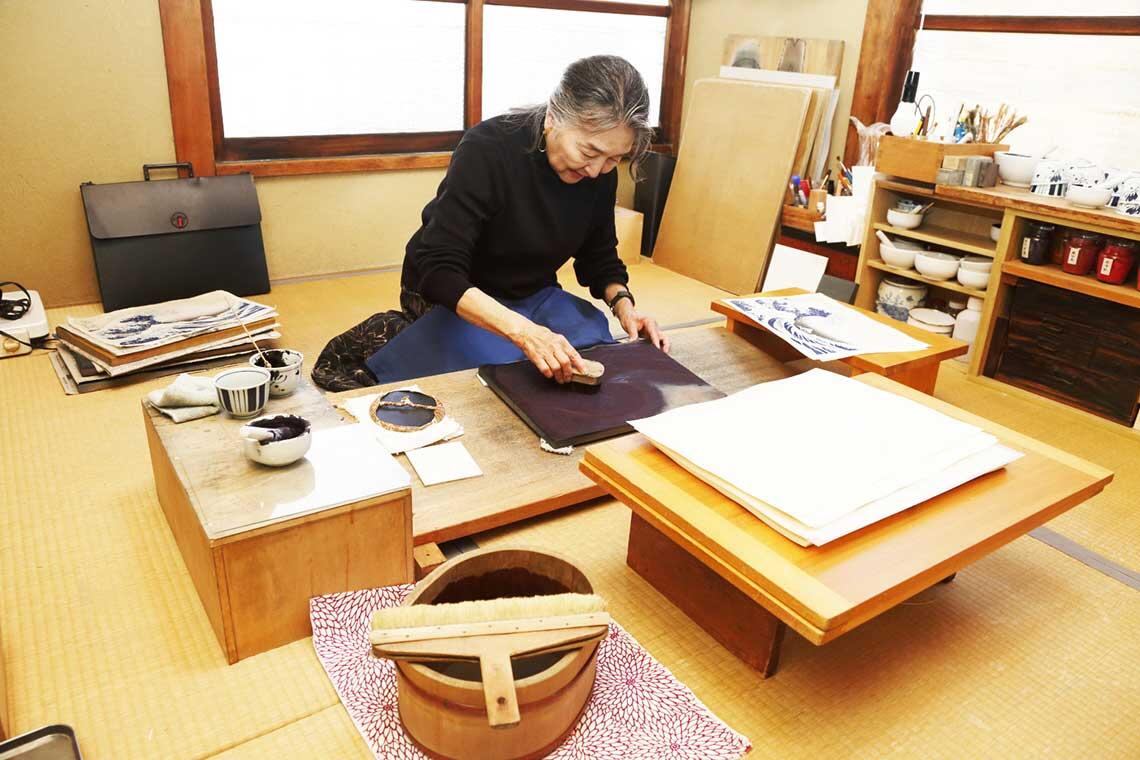
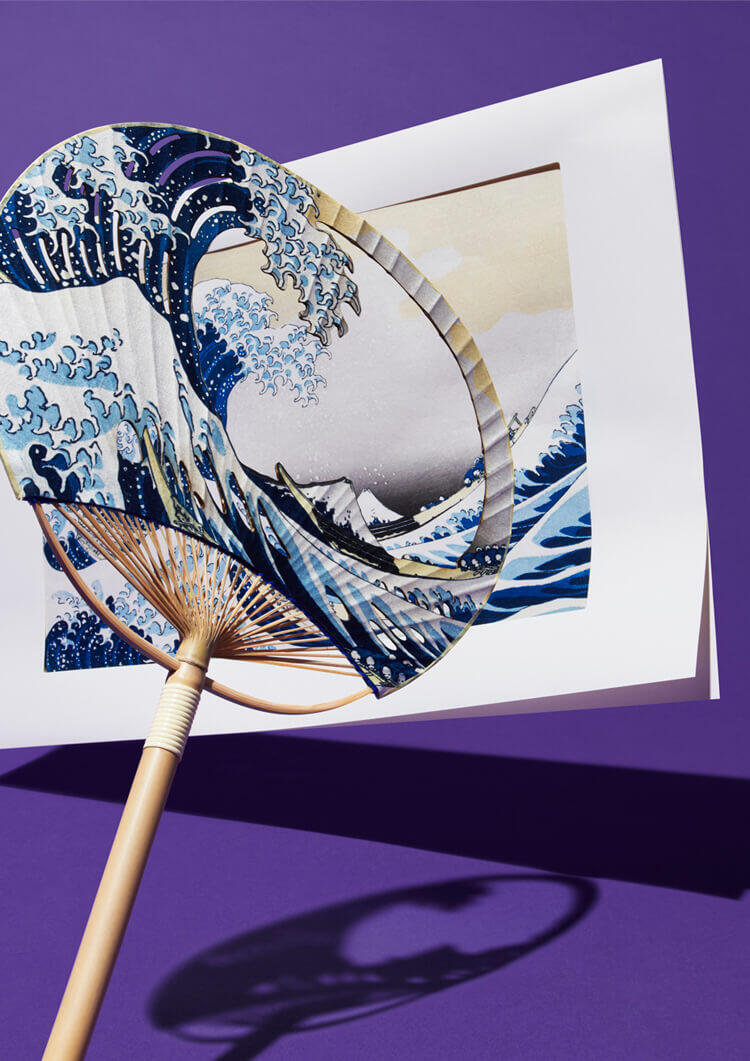
The art of Japanese woodblock printing, cultivated over 1,200 years, blossomed with the advent of ukiyo-e prints in the 17th century. Through the art of Edo Moku-hanga, which involves carving illustrations by artists such as Katsushika Hokusai and Utagawa Hiroshige into wood and pressing them onto paper, ukiyo-e became widely circulated and developed into popular culture representative of Edo.
It is said that the charm of ukiyo-e, which depicts a "more vivid and realistic presence than reality itself," is reproduced for the first time through the master printer's delicate sense of color and the shading created by the nuanced pressure of the baren, a traditional Japanese woodblock printing tool.
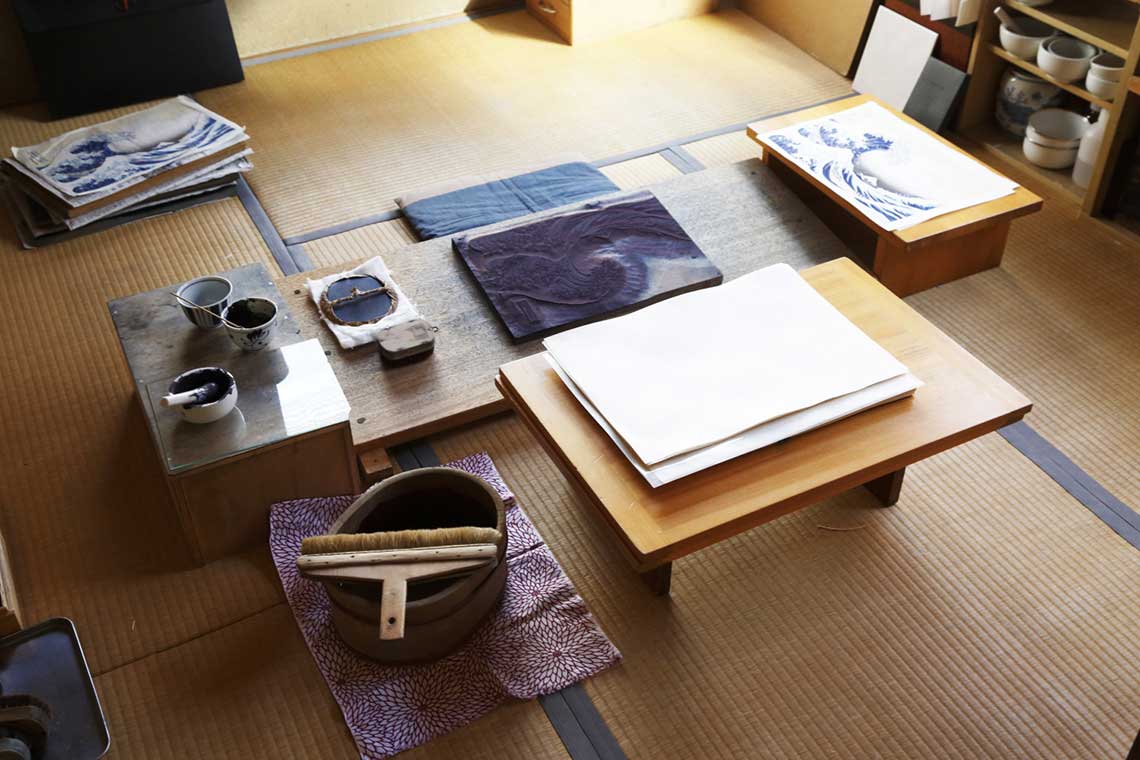
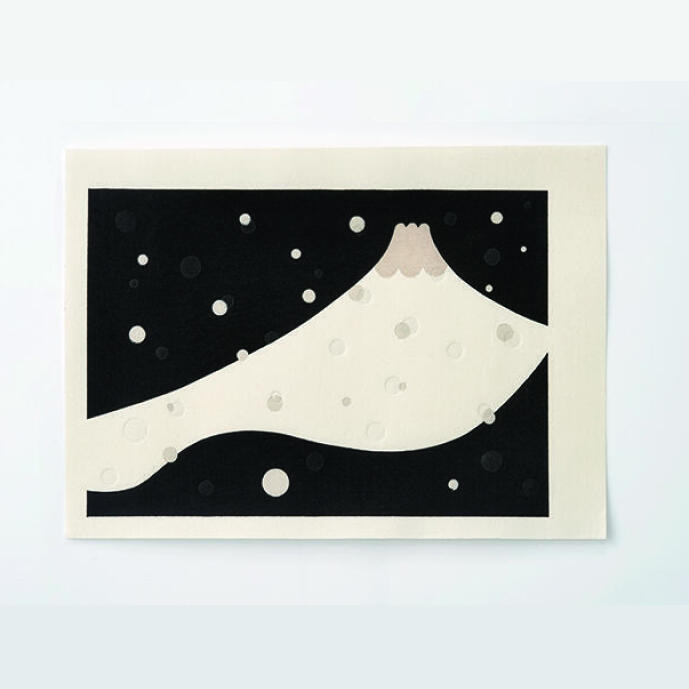
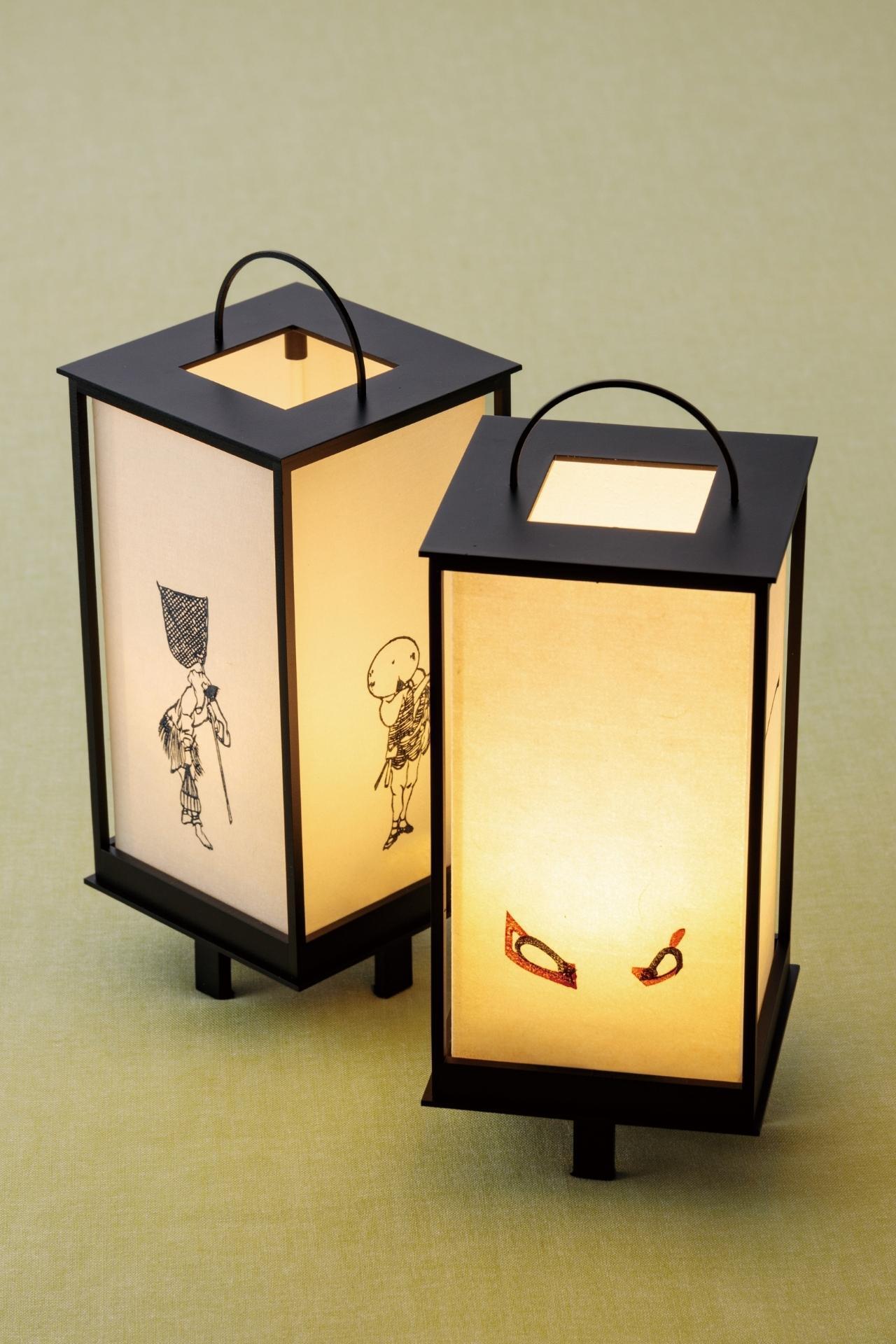
Takahashi Kobo is the oldest ukiyo-e woodblock print workshop, having been established over 160 years ago. From a family lineage of "surishi" woodblock printers, currently producing works as a publishing house. We not only resurrect the original woodblock prints from the Edo period using unchanged materials and techniques, but we also embrace collaborations with various contemporary art forms.
When we think of ukiyo-e, we often recall Katsushika Hokusai's iconic painting, The Great Wave, or the vivid portraits of actors by Toshusai Sharaku. Many of these artworks were created using woodblock printing, a technique that is said to be the origin of Japan's vibrant multicolor printing. This technique, known as Edo Moku-hanga (Edo woodblock printing), has been passed down through tradition for over 400 years, primarily in Tokyo.
Using the same materials and techniques as in the Edo period, skilled artisans continue to bring the beloved ukiyo-e woodblock prints cherished by the people of Edo into the modern day.
Latest Products
Craftsman Profile
| Craftsman Name | Takahashi Kobo Co., Ltd. |
|---|---|
| Address | 2-4-19 Suido, Bunkyo-ku, Tokyo 112-0005 |
| TEL |
+81-3-3814-2801 FAX: +81-3-3811-7341 |
| Representative | Yukiko Takahashi |
| Website | http://www.takahashi-kobo.com/ |
More Information About This Craftsman

Craftsmen Specializing in 36Edo Moku-hanga