“Quick and Beautiful” – Hand Dyeing Techniques, Traditional Dyeing for Contemporary Times
Murai senkoujyo
Craft Type: 19Tokyo Honzome Yukata
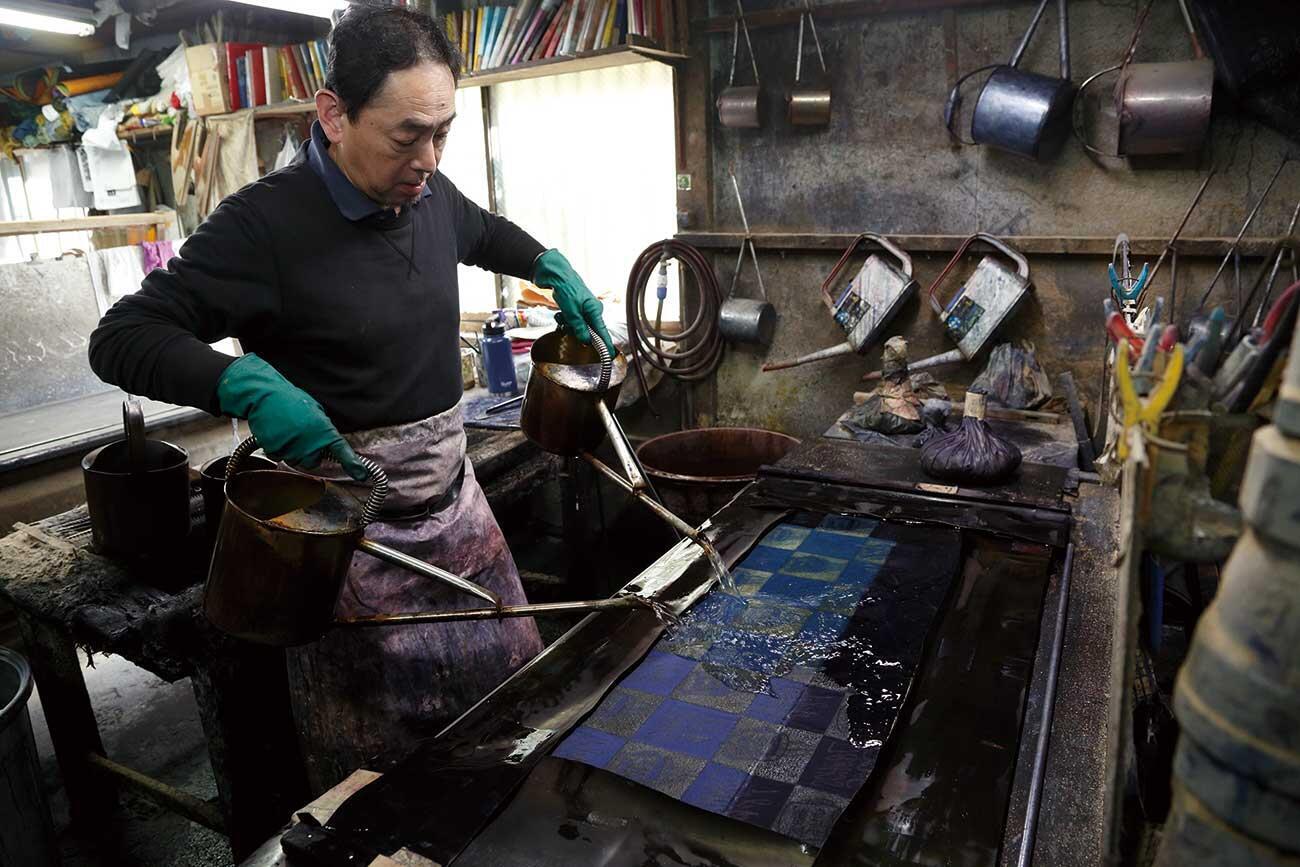
In the latter half of the 19th century, yukata became established as lounge and sleepwear, and today it is commonly worn for summer events such as festivals and fireworks displays. While printed yukata (informal summer kimonos) are the mainstream today, the traditional dyeing process employs a technique known as chusen hand-dyeing. In this method, dye is poured from a kettle-shaped container, called a yakan, onto the fabric. The subtle gradation, created by simultaneously pouring kettles of different colored dyes, requires the exquisite skill of artisans. The understated hues, primarily indigo and navy, embody the essence of the principle of iki - the quintessence of refined elegance.
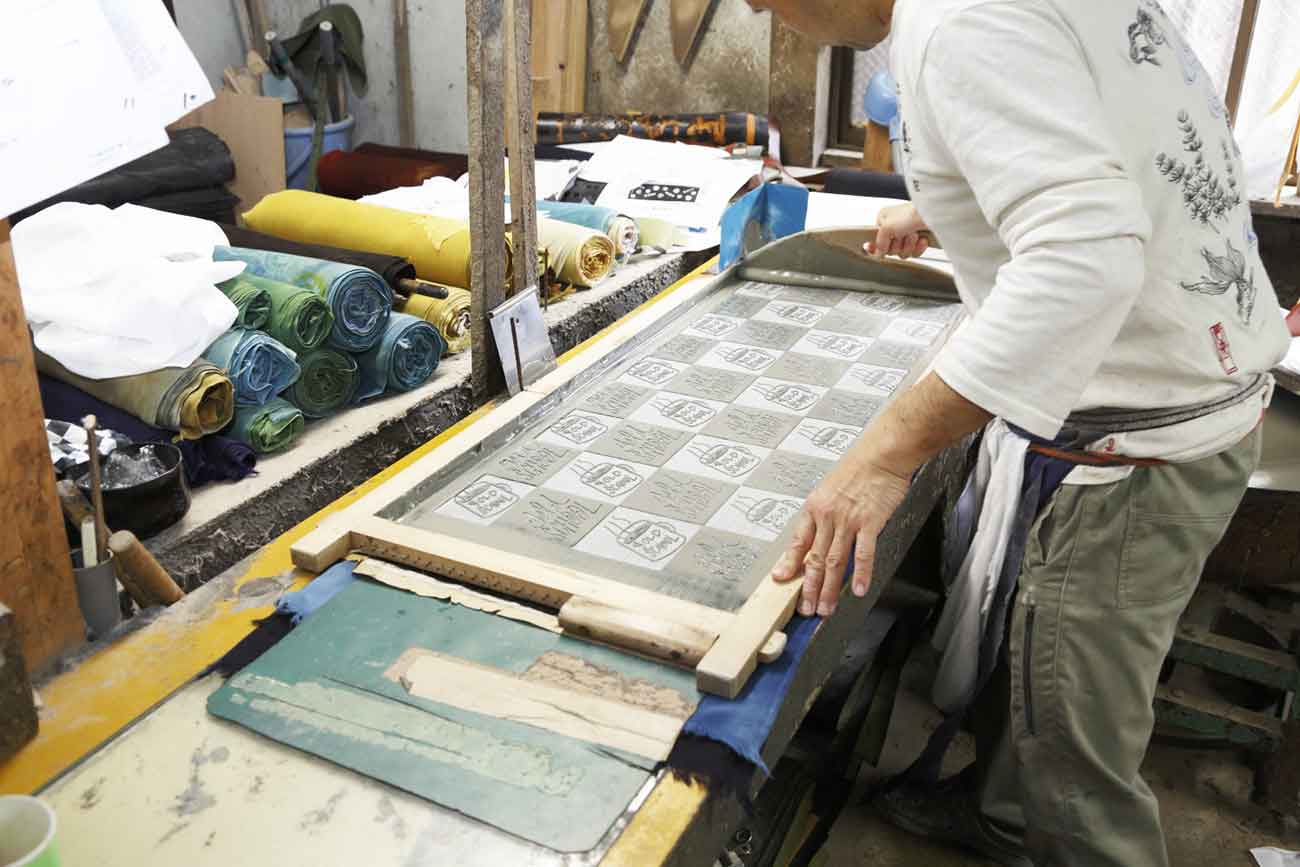
Established in 1936 (Showa 11), and now operated by the third generation. The business relocated from Kameido to its current location in 1939 (Showa 14) and has since carried on the dyeing tradition, focusing mainly on tenugui. We continue to produce tenugui dyed with traditional techniques, while collaborating with a wide range of companies and organizations.
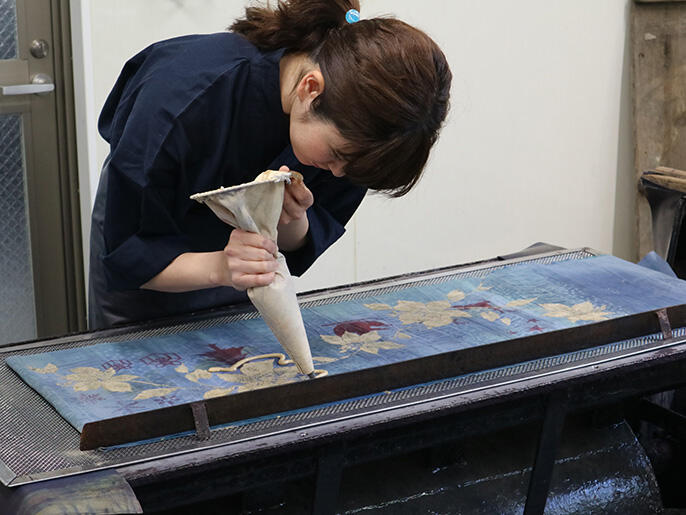
There used to be more than 30 companies in the vicinity making yukata and tenugui using the chusen traditional dyeing method, but now there are only four such companies remaining in Tokyo. Chusen is a traditional stencil dyeing technique where a stencil is applied to a white fabric, and then a dye-resistant glue is applied,allowing the dye to be applied only to the areas not covered with glue. Chusen dyeing involves dyeing the front and back of the garment with the same color and pattern, and thanks to the meticulous handcrafting process, it produces subtle gradations and textures that cannot be replicated in machine-produced articles.
Quick and beautiful is the technique of hand-dyeing, making the most of the traditional hand-dyeing chusen, method. We will continue to use this strength to handle a diverse range of products.
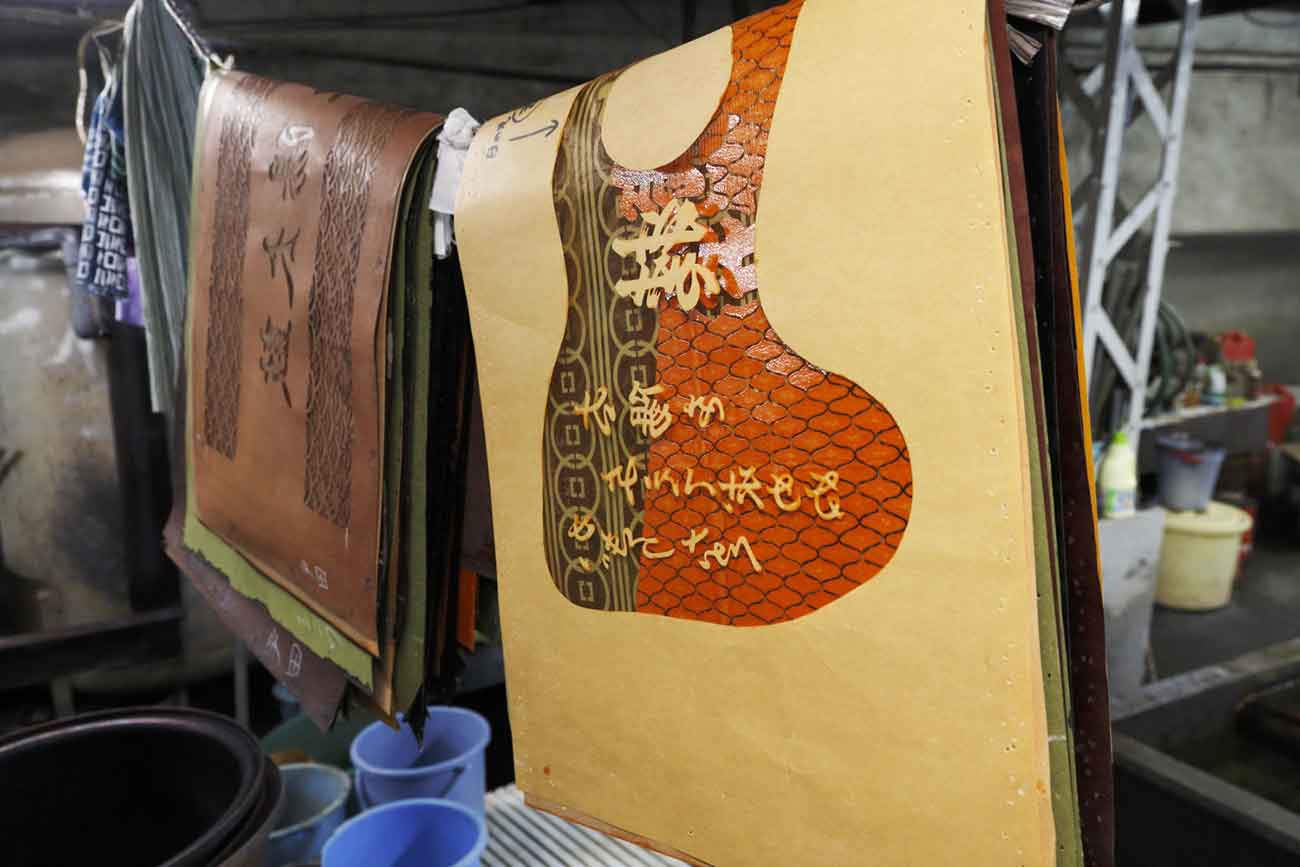
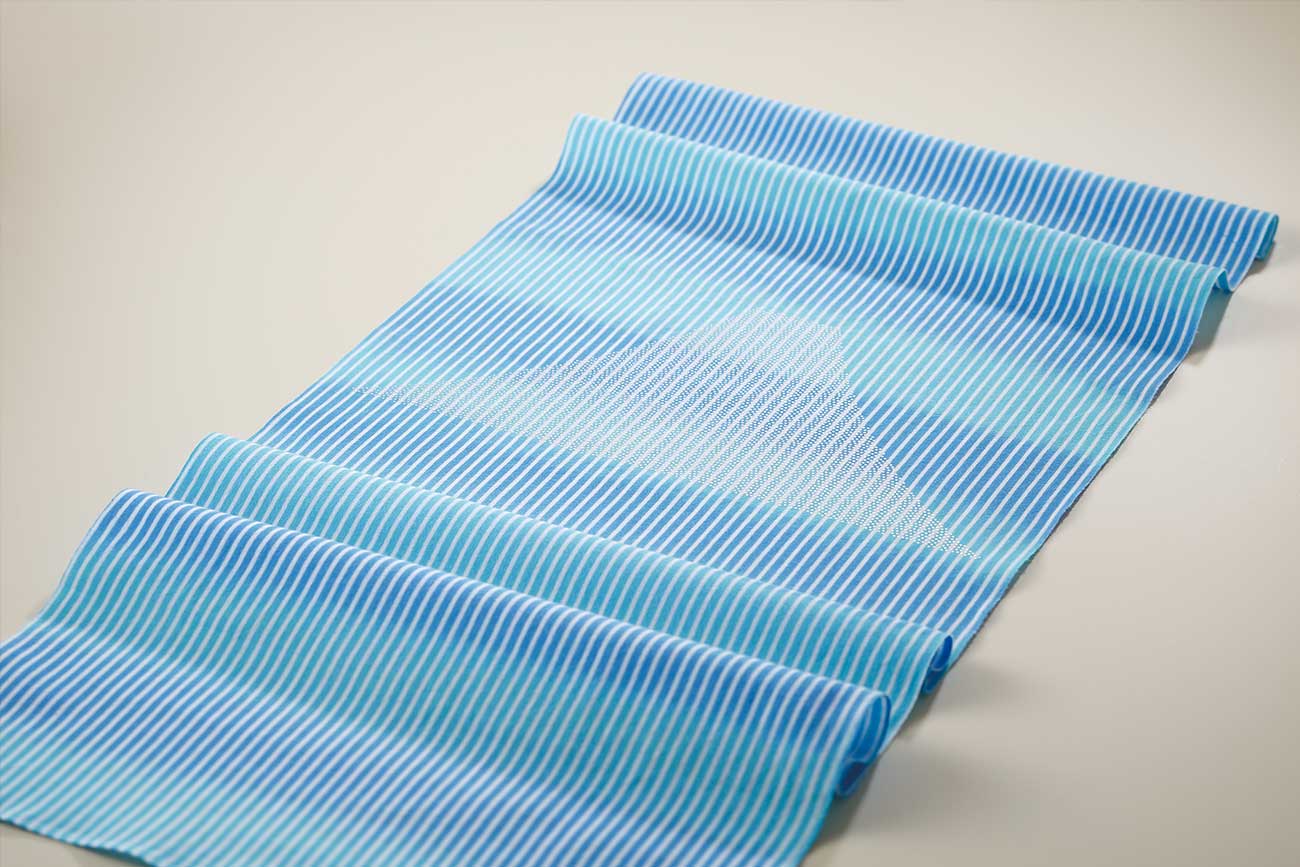
Latest Products
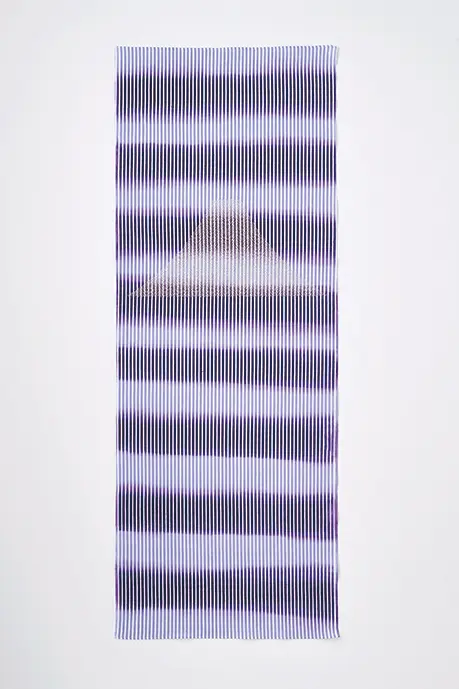
Craftsman Profile
| Craftsman Name | Murai senkoujyo |
|---|---|
| Address | 6-17-27 Ichinoe, Edogawa-ku, Tokyo 132-0024 |
| TEL |
03-3651-3108 FAX: 03-3651-3162 |
| Representative | Mitsutoshi Murai |
More Information About This Craftsman
Craftsmen Specializing in 19Tokyo Honzome Yukata